
The March 2026 update from the U.S. Department of Education has sent ripples through Arizona’s higher‑education landscape. While federal student loans remain a staple, private lenders are tightening their criteria and pushing variable rates higher than ever before. For students planning to finance tuition this academic year, understanding the difference between fixed and variable APRs—and knowing where to find the best deals—has never been more critical.
For those looking for a streamlined way to compare offers, arizonaziploan.com provides an easy‑to‑use dashboard that pulls current rates from dozens of Arizona‑based lenders. By entering your student status and credit profile, you can instantly see which institutions are offering the lowest fixed or variable rates for in‑school loans.
Fixed vs. Variable APRs: The Numbers That Matter
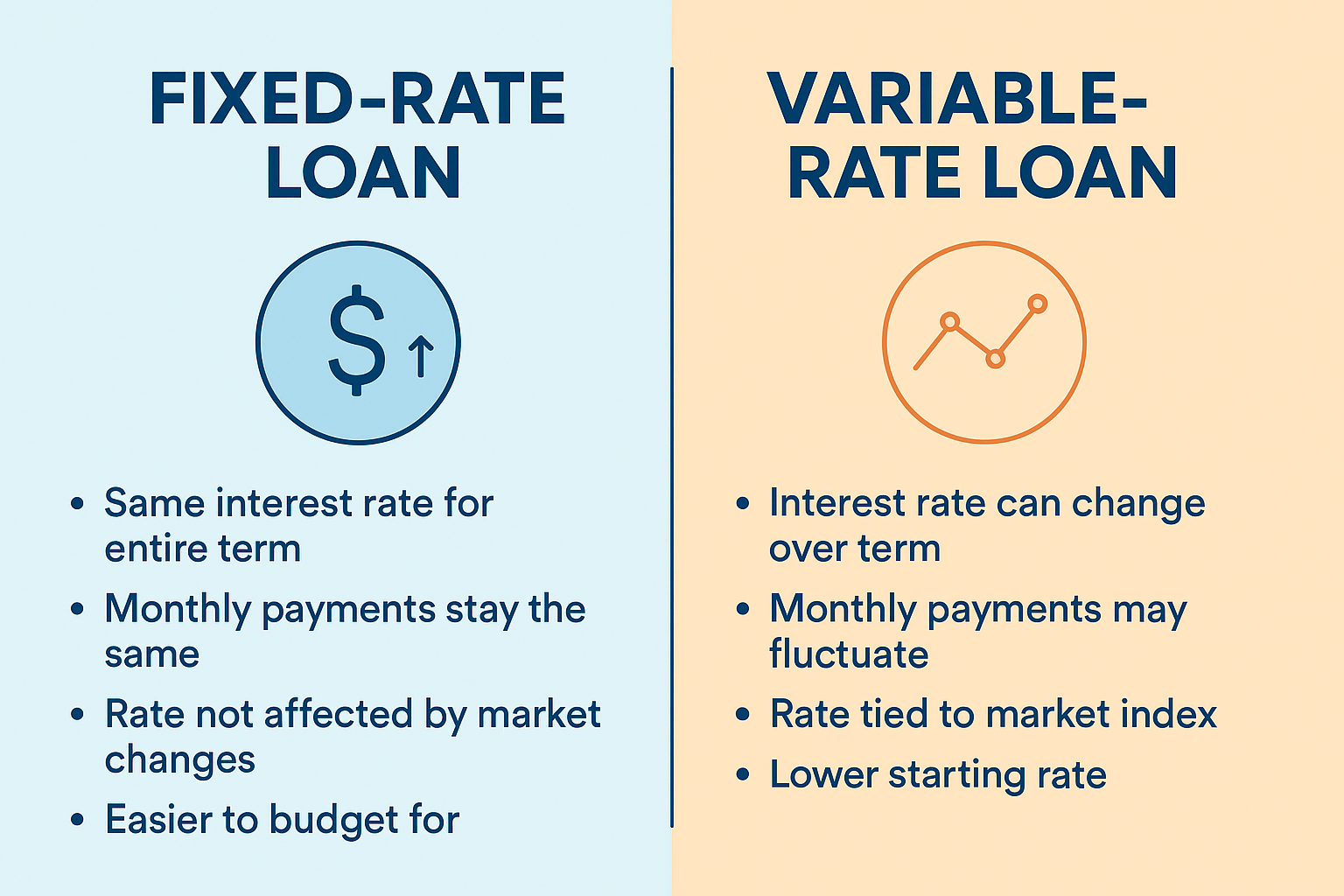
In the latest snapshot, private in‑school student loans have a fixed APR range of 2.69% to 17.99%. Those opting for variable rates face slightly higher ceilings—3.53% to 17.99%—with adjustments based on the Daily 1‑Day LIBOR or the current Secured Overnight Financing Rate (SOFR) index. Unlike federal loans, where the rate is locked in for life, private variable rates can shift monthly.
A closer look at Arizona lenders shows a more nuanced picture:
| Lender | Fixed APR (Auto‑Pay) | Variable APR (Auto‑Pay) |
|---|---|---|
| Sallie Mae | 2.89% – 17.49% | 3.75% – 16.37% |
| SoFi | 3.43% – 15.99% | 4.64% – 15.99% |
| Earnest | 2.79% – 16.74% | 4.99% – 17.10% |
The key takeaway? Even a modest 0.25% auto‑pay discount can shave years of interest from your repayment journey. However, the cap on variable rates—often set at 17.95% for SoFi and similar lenders—means borrowers should monitor their balances closely.
How Federal Rates Stack Up Against Private Options
Federal loans, as of the most recent announcement, sit at 6.39% – 8.94%. That’s a narrow band that applies uniformly to all federal borrowers, regardless of credit score or income level. The simplicity of fixed rates and the safety net of income‑driven repayment plans make them attractive for many students.
In contrast, private lenders often provide lower starting rates—some as low as 2.73% for the most credit‑worthy applicants—but impose stricter qualification thresholds. The average private APR in Arizona is hovering around 8–9%, which is competitive with federal rates but comes with added risks: higher upfront fees, less favorable repayment options, and potential caps on borrowing limits.
According to a recent Money.com report, Arizona students who enroll in the shortest possible loan term (typically 10 years) can lock in rates as low as 2.89% for fixed loans if they activate auto‑pay from a checking account.
Why Auto‑Pay Matters
- Lower APRs: Most lenders offer a 0.25% discount when you set up automatic withdrawals from an eligible bank account.
- No Late Fees: Automatic payments eliminate the risk of missing due dates, protecting your credit score.
- Convenience: Students can focus on classes instead of juggling payment deadlines.
Even for variable loans, auto‑pay guarantees that you never fall behind as rates rise. It’s a small habit that pays dividends over the life of the loan.
Current Market Trends: What Arizona Borrowers Are Seeing
The March 2026 data reveals a steady climb in private variable rates across the state:
- Variable APRs are up by roughly 0.5% compared to last year.
- Arizona’s top refinance lenders—such as Earnest and SoFi—now cap variable rates at 17.95%, reflecting a broader national trend toward tighter rate ceilings.
- Students with a mid‑600 credit score are finding offers in the 4–5% range, while those below 650 face rates exceeding 12%.
These shifts underscore why many students are turning to arizonaziploan.com for real‑time comparisons. The platform aggregates live quotes, auto‑pay discounts, and even pre‑qualification tools that can give you an edge before you hit the loan officer’s desk.
Refinancing: A Strategic Move?
Refinancing is no longer a niche strategy reserved for heavy borrowers. According to Money.com’s refinance guide, Arizona students can now access fixed rates as low as 3.71% and variable rates that rarely exceed 10%. However, the key is timing: refinancing during a period of lower federal rates often nets the best long‑term savings.
Keep in mind that private lenders may charge origination fees for refinance deals—typically around $0 or up to $500—so factor those into your total cost calculations. Many institutions also require that you have at least one year of on‑time payments on existing federal loans before approving a refinance.
Credit Scores and Loan Eligibility: The Tightrope Walk
Arizona’s private lenders are notoriously picky. A borrower with an excellent credit score (above 750) can secure the lowest fixed rates—often below 3%—and qualify for extended repayment terms up to 20 years.
On the other end, students scoring in the low 600s may be offered variable rates that climb above 10%. In these cases, a short‑term loan with a high upfront interest rate might still be cheaper than staying on federal loans for eight years.
To improve your chances:
- Pay bills on time.
- Limit new credit inquiries.
- Dispute any errors on your credit report.
The Role of Cosigners
A cosigner can dramatically lower the APR. For instance, a 10% discount is common when a second borrower with strong credit signs for a new loan. Arizona’s arizonaziploan.com calculator allows you to simulate how a cosigner would affect your rate before applying.
What the Future Holds: Predictions and Tips
Experts predict that private variable rates will continue to inch upward as the Federal Reserve signals tighter monetary policy. Meanwhile, federal loan rates remain fixed for the year but may rise in 2027 when the next Treasury auction cycle occurs.
Students should:
- Lock in a fixed rate if they anticipate staying in school longer than four years.
- Consider variable rates only if they can tolerate monthly fluctuations and have a solid auto‑pay plan.
- Regularly check platforms like arizonaziploan.com for new lender promotions, such as the 0.50% rate drop offered to Arizona residents during early March.
With the right strategy and a keen eye on the market, Arizona students can navigate the complex web of loan options without falling into costly traps.